How to Use a Solar Calculator Without Fooling Yourself
A solar calculator can be a useful first step, but only if you know what it can and cannot tell you. Here is how UK homeowners and businesses should read the numbers sensibly.
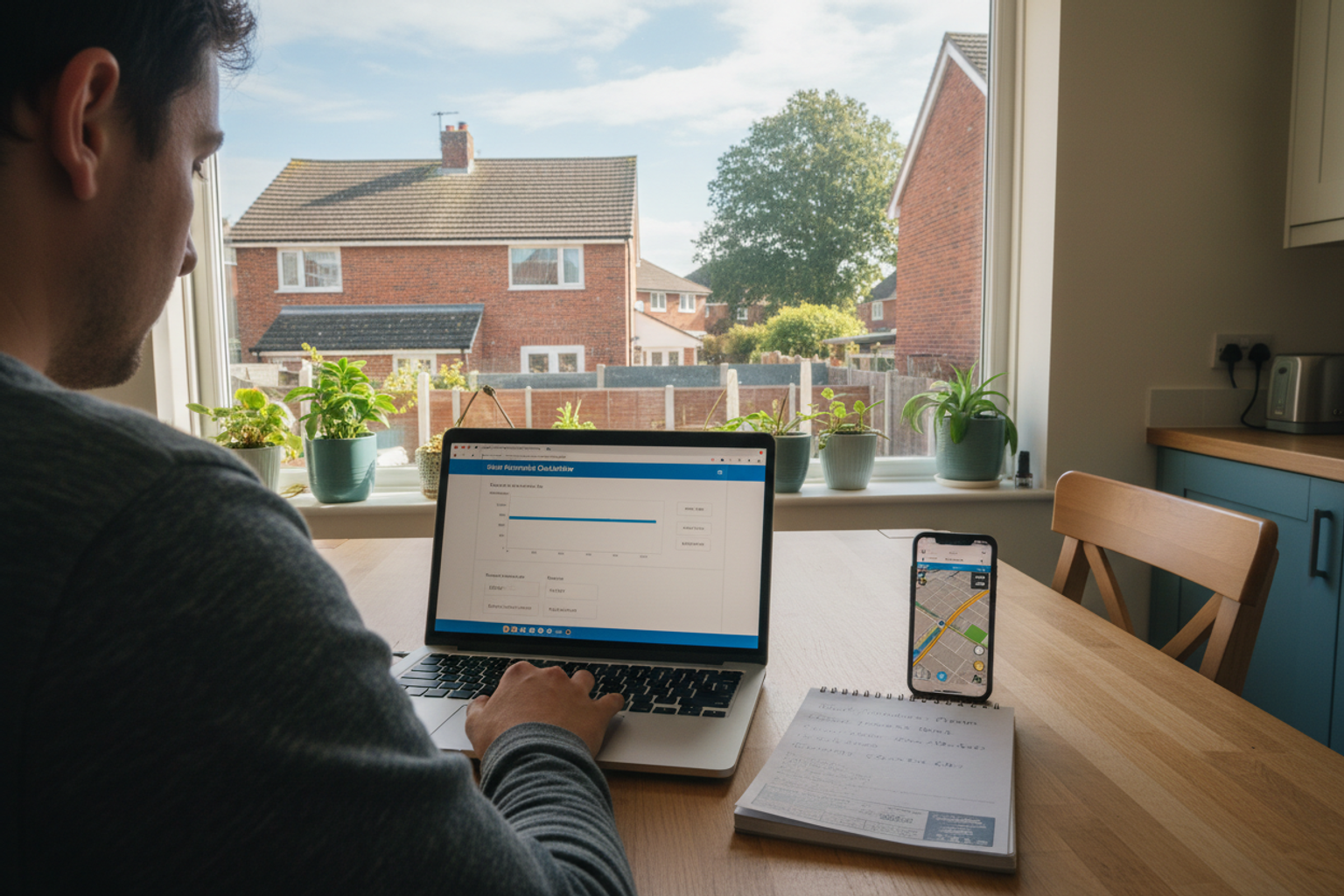
A solar calculator is a bit like trying on a coat in front of a mirror. It gives you a decent idea of the fit, but you still need to walk outside in the British weather before you really know if it works.
That is the sensible way to think about it.
For UK homes and businesses considering solar PV, a calculator is a useful first step. It can help you understand likely roof potential, generation, savings and whether battery storage might be worth a closer look. What it cannot do is replace a proper survey, system design and conversation about how you actually use electricity.
If you treat it as an estimate rather than gospel, it becomes genuinely helpful.
What a solar calculator is actually for
A good solar calculator is there to answer the early questions most people have before they are ready to ask for a full quote.
Usually, those questions look something like this:
- Could my roof be suitable for solar PV
- Roughly how many panels might fit
- How much electricity could they generate
- What might that mean for bills
- Would a battery help me use more of that electricity on site
That is valuable, because many people are not starting with technical knowledge. They simply want to know whether solar is worth exploring.
For businesses, the same applies, just with slightly bigger stakes. A calculator can help identify whether a site looks promising before anyone dives into a full feasibility exercise.
What the numbers can tell you
A solar calculator will usually draw on broad inputs such as roof size, roof direction, location and estimated electricity use. From that, it can produce headline figures for likely system size and generation.
Used properly, these figures can help you:
Compare your options
You may discover that a smaller system suits your usage better than trying to fill every bit of roof space. Or you may find that battery storage deserves more attention if much of your electricity use happens in the evening.
Sense-check your expectations
A calculator can be a good antidote to wishful thinking. If your roof is modest, heavily shaded or awkwardly shaped, the output may be lower than hoped. Better to know that early than after mentally spending the savings.
Decide whether to move to the next step
Not every property will be right for solar, and not every site needs a battery. A calculator helps you decide whether it is worth progressing to a proper conversation.
What a solar calculator cannot tell you on its own
This is where people can get carried away.
A calculator can estimate. It cannot inspect your property.
It may not fully account for:
- Chimneys, rooflights and awkward roof geometry
- Localised shading from trees or neighbouring buildings
- DNO or supply constraints
- Actual condition of the roof
- The exact split between daytime and evening electricity use
- Future changes in demand
Battery storage is a good example. A calculator might suggest that a battery could increase self-use of your solar generation, which is often true in principle. But the right battery choice depends on how and when you use electricity, not just how much you use over a year.
That is why a rough estimate is useful, but a proper design is where the real value appears.
How to get more value from the estimate
If you want a solar calculator result to be genuinely useful, a few habits help.
Be realistic about your electricity use
If you can, use recent bill data rather than guesswork. Even a rough annual usage figure is better than picking a number out of the air because it feels tidy.
Think about when you use power
Two households with the same annual usage can get very different value from solar. One may use most electricity during the day, while the other is out until evening and uses more after sunset. That difference matters, especially if you are considering a battery.
Treat savings as indicative, not guaranteed
Solar performance varies with season, weather and site conditions. In the UK, output naturally changes throughout the year. A calculator should help you understand the shape of the opportunity, not promise a perfect monthly result.
Use it to ask better questions
The best outcome from a calculator is not just a number. It is a better conversation with your installer.
Questions such as:
- Is this estimated system size realistic for my roof
- Would battery storage improve self-consumption in my case
- What assumptions sit behind the projected savings
- Are there any likely site constraints
Where battery storage fits in
For many properties, the solar calculator conversation naturally leads to battery storage.
That makes sense. Solar PV often generates electricity when demand is lower, particularly during the middle of the day. A battery can store some of that electricity for later use, which may help you rely less on imported power.
Whether that stacks up financially depends on your usage pattern, tariff arrangement and system design. A calculator can point to the possibility, but it should not be the final word.
Once a system is installed, performance matters just as much as the original estimate. That is where good visibility becomes important. Our piece on AI Monitoring for Solar Systems: Smarter Solar in the UK explains how better monitoring can help owners understand whether a system is performing as expected over time.
Why estimates should lead to evidence
The best solar journey is usually quite boring in the right way. It starts with a quick estimate, moves to a proper assessment, and ends with a system designed around the property rather than around guesswork.
That is far better than chasing dramatic savings claims based on generic assumptions.
For homeowners, that means a clearer sense of what your roof can do and how battery storage might fit your routine. For businesses, it means a more grounded view of whether solar can support running costs and long-term energy planning.
And after installation, keeping an eye on actual output matters too. AI monitoring for solar systems can help separate normal UK variation from signs that a system needs attention.
The sensible way to use a solar calculator
In short, use a solar calculator for what it is good at.
Use it to explore.
Use it to compare.
Use it to ask smarter questions.
Do not use it as the final word on system design, battery size or long-term savings.
Solar PV and battery storage work best when the design matches the building and the way the building uses electricity. A calculator can get you to the starting line faster, but the proper value comes from expert review and a system shaped around the real site.
If you want to move from estimate to a proper conversation about solar PV and battery storage, Book your solar conversation.